Congratulations on officially completing 14 modules on Mygrow, that is amazing! Below is a summary of the fundamental knowledge and skills you have learned. There is also a recommended reading list at the end if you would like to further your knowledge.
Mygrow Completer’s Handbook
Fundamentals 101
The first course on Mygrow covers one cycle around the EQ-i 2.0 wheel, giving an overview of each competency grouping. Below is an outline of the knowledge and skills that are gained through this first “course”.
Bootcamp introduces some of the core concepts used on the Mygrow journey. It also provides a clear understanding of what EQ is, and how to develop it properly. The following conceptual aspects are covered:
- The difference between Emotional Intelligence and Cognitive Intelligence
- The power of the mind
- The difference between the conscious and subconscious mind
- The fundamentals of neuroscience
- A brief overview of the theories of emotion
- The connection between the body and the mind
- How to implement the “Three Good Things” technique
Skills Developed: Positivity | Gratitude | Optimism
It’s essential to grow in self-awareness to develop EQ properly. Self-awareness can occur as a result of one’s own reflections and through the input of others. This module focuses on increasing self-awareness in relation to the different aspects of EQ and guides the user through their personal EQ 360 assessment. The following conceptual aspects are covered:
- Psychometric assessment feedback
- The importance of self-awareness as a foundation for EQ
- The Johari Window as a self-awareness tool
- How to reduce blind spots
- Receiving feedback from others
- Overview of Self-Perception, Self-Expression, Interpersonal, Decision-Making, and Stress Management
- How to implement the “Using Signature Strengths” technique
Skills Developed: Inviting feedback | Self-confidence | Objective self-view
This module delves into self-perception, which centres on how one perceives oneself. It also looks at Self-Regard, Self-Actualisation, and Emotional Self-Awareness (specific skills related to Self-Perception). The following conceptual aspects are covered:
- Learned Helplessness
- How self-perception develops over time
- Cognitive Dissonance theory
- Locus of Control theory
- The competencies of Self-Regard, Self-Actualisation, and Emotional Self-Awareness
- The Elastic Band technique
- How to implement the “Affirming Statements” technique
Skills Developed: Self-esteem | Seeing strengths in others | Trigger reduction
Self-expression involves how appropriately one is able to express oneself, assert oneself, and act independently of others. This module equips a person to take daily control of the way they express their emotions. The following conceptual aspects are covered:
- Albert Ellis and the history of Rational Emotive Behavioural Therapy (REBT)
- The link between thoughts and emotions
- The chemistry and neurology of emotions
- Top-Down versus Bottom-Up thinking
- Amygdala hijacking
- The individual competencies of Self-Expression, Independence, and Assertiveness
- How to implement the “ABCDE” technique
Skills Developed: Emotional control | Stress Management | Self-Management
Relating to others is critical to who we are. This module focuses on developing and maintaining mutually satisfying relationships based on trust and compassion. It also explores why we need relationships and covers the complexity of interpersonal dynamics. The following conceptual aspects are covered:
- Stephen Covey’s theory of Relational Maturity
- Transactional Analysis
- How we are wired neurologically to connect with others
- Why we need people
- Toxic versus supportive relationships
- The competencies of Interpersonal Relationships, Empathy, and Self-Expression
- How to implement the “Giving Praise” technique
Skills Developed: Motivating others | Affirming others | Seeing the best in others
The Decision-Making module focuses on the skill of making good decisions by accurately recognising and understanding the emotions one associates with different decisions. It also looks at how impulse control and problem solving are vital skills for making successful decisions. The following conceptual aspects are covered:
- The history of research on Decision-Making
- “Wants” versus “Shoulds” conflict
- Biases and intuition
- Challenges of making good decisions
- Decision-making styles
- The competencies of Problem Solving, Reality Testing, and Impulse Control
- How to implement the “Pause, Consider, Emotions” technique
Skills Developed: Reality testing | Impulse control | Functional alternatives
Life is stressful, and to flourish, it is important to be able to manage this. Stress Management is made up of three main skills: flexibility, stress tolerance, and optimism. In short, this module asks the fundamental question, “How effectively do you cope with stress?” The following conceptual aspects are covered:
- How stress impacts the body and brain
- The history of the concept of stress
- How the heart and the brain are connected
- Different types of coping strategies for stress
- Burnout
- The individual competencies of Flexibility, Stress Tolerance, and Optimism
- How to implement the “Heart Coherence” technique
Skills Developed: Managing physiology | Heart coherence | Positive emotion
Fundamentals 201
The next course on Mygrow is the second cycle around the EQ-i 2.0 wheel. This journey takes a deeper look at the first skill in each competency grouping and applies these skills to more specific aspects of life.
This is the second Self-Awareness module and serves as a recap of the first seven modules. It is an overview of what has been covered previously, while assessing one’s growth between the first and second EQ assessments. Users are given the chance to reflect on their experience of F101, and the following conceptual aspects are covered:
- The subconscious mind
- Neurological rewiring
- Subjective and objective reality
- Fighting negativity and cultivating positivity
- The Johari Window and growing the open area
- Reducing blind spots
- Responses to self-awareness
Skills Developed: Reflecting on development | Objective self-evaluation | Growing the open area
This module creates an understanding of the difference between self-regard and self-esteem and builds an understanding of how context affects the way a person sees themselves. Developing a healthy self-regard means moving away from comparison and learning to self-accept, warts and all. The following conceptual aspects are covered:
- Self-worth versus self-doubt
- Self-regard over self-esteem
- Comparison
- The journey of self-acceptance
- Made for connection
- Being aware of and managing self-talk
- How to implement a technique that builds self-compassion
Skills Developed: Self-compassion | Self-acceptance | Contentment
Emotional Language unpacks the five core families of emotions: Anger, Disgust, Fear, Sadness, and Enjoyment. This module looks at the relationship between words and experience, and how one’s emotional reality is shaped by the words one has. The following conceptual aspects are covered:
- Linguistic relativity
- The core emotion of Anger
- The core emotion of Disgust
- The core emotion of Fear
- The core emotion of Sadness
- The core emotion of Enjoyment
- The relationship between positive and negative emotions
Skills Developed: Emotional vocabulary | Emotional awareness | Emotional regulation
This module covers the skill of Assertiveness and contrasts it with the three unhealthy behaviours of Aggression, Passivity, and Passive Aggression. It explores why we behave in some of these unhealthy ways, and how to work towards an assertive response instead. The following conceptual aspects are covered:
- Assertive behaviour
- Aggression
- Passivity
- Passive aggression
- Factors that hinder assertiveness
- Learned and inherited responses
- How to implement the “DEARMAN” technique
Skills Developed: Assertive communication | Effective confrontation | Setting boundaries
Mutually satisfying relationships are characterised by trust and compassion. This module focuses on how to pinpoint healthy and unhealthy interpersonal relationships. Users learn about the Drama Triangle, what it takes to break free from dysfunctional roles, and how to set up beneficial boundaries in life. The following conceptual aspects are covered:
- The Drama Triangle
- The roles of Victim, Persecutor, and Rescuer
- The Empowerment Dynamic
- The roles of Creator, Challenger, and Coach
- Vulnerability
- Boundaries
- How to implement the “Gratitude Letter” technique
Skills Developed: Avoiding the Drama Triangle | Boundary setting | Vulnerability
Problem solving is an integral part of the normal journey of life. But it’s not about solving puzzles correctly; it’s all about solving real-life problems wisely. This module highlights the importance of shifting one’s perspective on problem solving from the negative to the positive, and the difference between functional and dysfunctional problem-solving styles. The following conceptual aspects are covered:
- Real-world problem solving
- Problem solving and its impact on wellbeing
- Emotion-Centred Problem-Solving Therapy
- Problem-solving orientations
- Functional and dysfunctional problem-solving styles
- Emotional signposts
- Improving problem-solving abilities
Skills Developed: Positive problem orientation | Functional problem-solving style | Emotional signpost awareness
Flexibility is part of stress management and means responding in line with your values, despite your inner experiences. You will be introduced to the Relational Frame Theory and the concept of ‘workability’. These are the foundations of Acceptance and Commitment Therapy, the model used throughout the module. It holds that psychological flexibility is built by accepting suffering and committing to our values. In this module, you will learn how to move in a direction that makes your life rich, full and meaningful! The following conceptual aspects are covered:
- Relational Frame Theory
- The foundations of Acceptance and Commitment Therapy (ACT)
- Acceptance as a core tenet of ACT
- Cognitive Defusion as a core tenet of ACT
- Self as Context as a core tenet of ACT
- Present Moment Awareness as a core tenet of ACT
- Values as a core tenet of ACT
- Committed Action as a core tenet of ACT
Skills Developed: Acceptance and Commitment | Values-aligned living | Mindfulness
Skills developed
The skills developed on the Mygrow platform are a result of the knowledge gained and the techniques used in each droplet.
| M1: Bootcamp | Positivity | Gratitude | Optimism |
| M2: Self-Awareness | Inviting feedback | Self-confidence | Objective self-view |
| M3: Self-Perception | Self-esteem | Seeing strengths in others | Trigger reduction |
| M4: Self-Expression | Emotional control | Negative thought containment | Self-management |
| M5: Interpersonal | Motivating others | Affirming others | Seeing the best in others |
| M6: Decision-Making | Reality testing | Impulse control | Functional alternatives |
| M7: Stress Management | Managing physiology | Heart coherence | Generating positive emotion |
| M8: Self-Awareness 2 | Reflecting on development | Objective self evaluation | Growing the open area |
| M9: Self-Regard | Self-compassion | Self-acceptance | Contentment |
| M10: Emotional Language | Emotional vocabulary | Emotional awareness | Emotional regulation |
| M11: Assertiveness | Assertive communication | Effective confrontation | Boundary setting from assertive rights |
| M12: Interpersonal Relationships | Avoiding the Drama Triangle | Boundary setting | Vulnerability |
| M13: Problem Solving | Positive problem orientation | Functional problem-solving style | Emotional signpost awareness |
| M14: Flexibility | Acceptance and Commitment | Values aligned living | Mindfulness |
Recommended reading
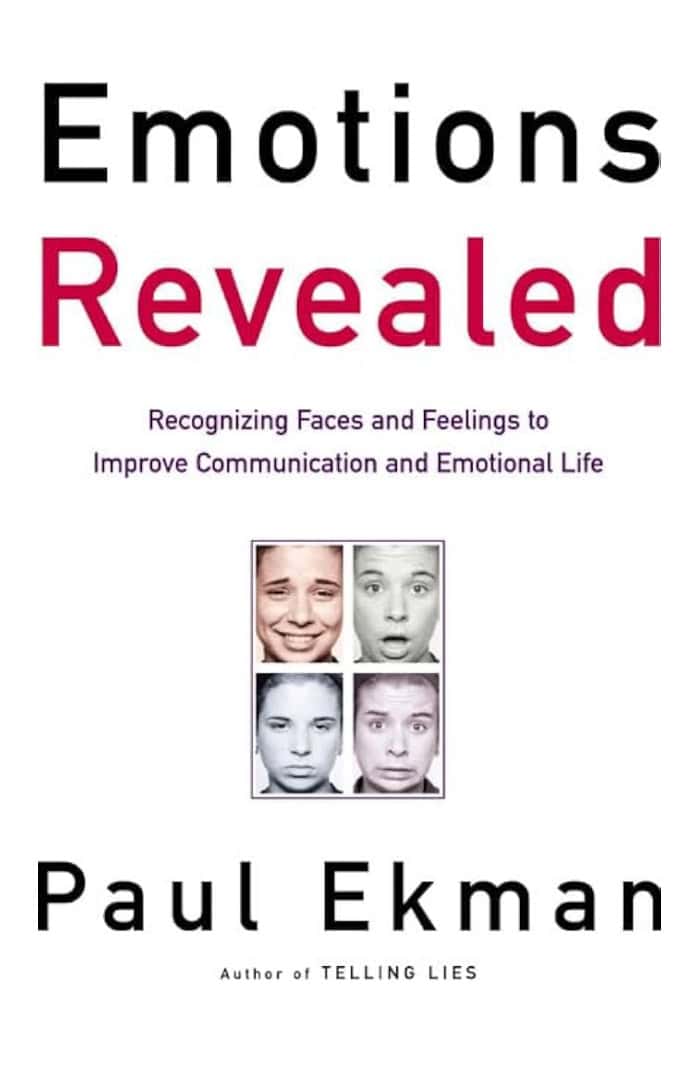
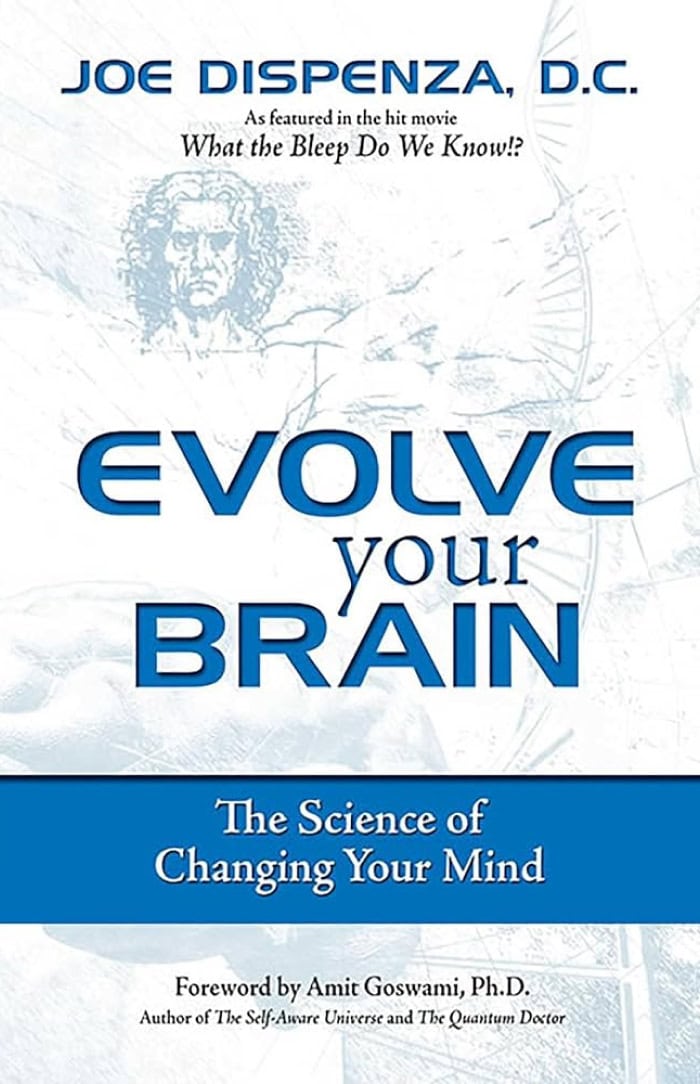
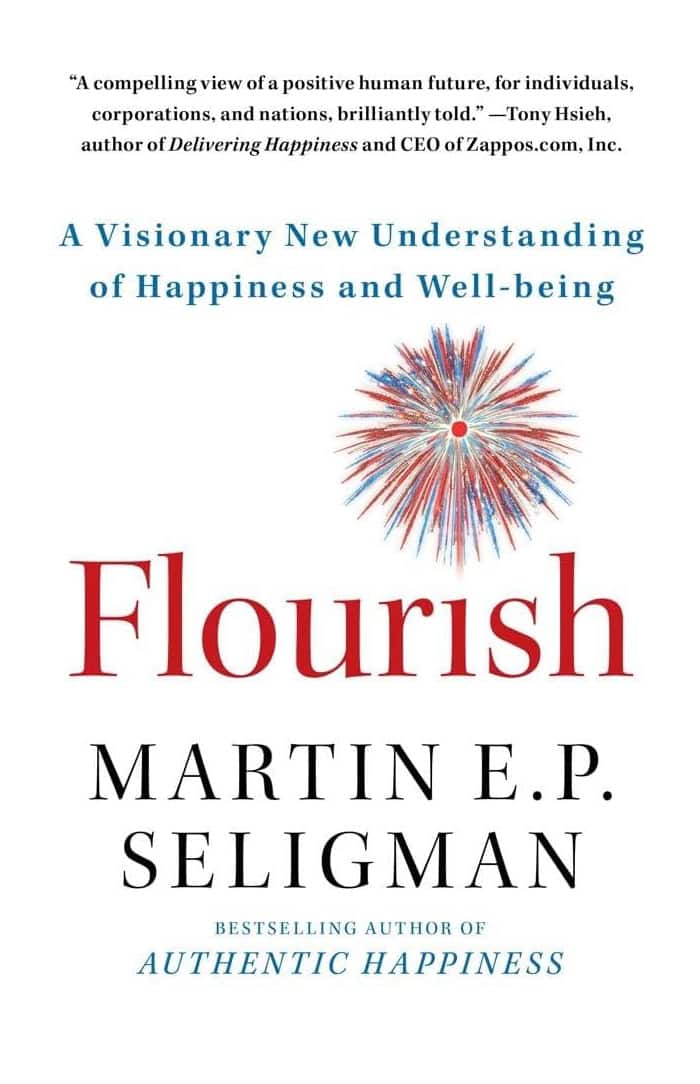
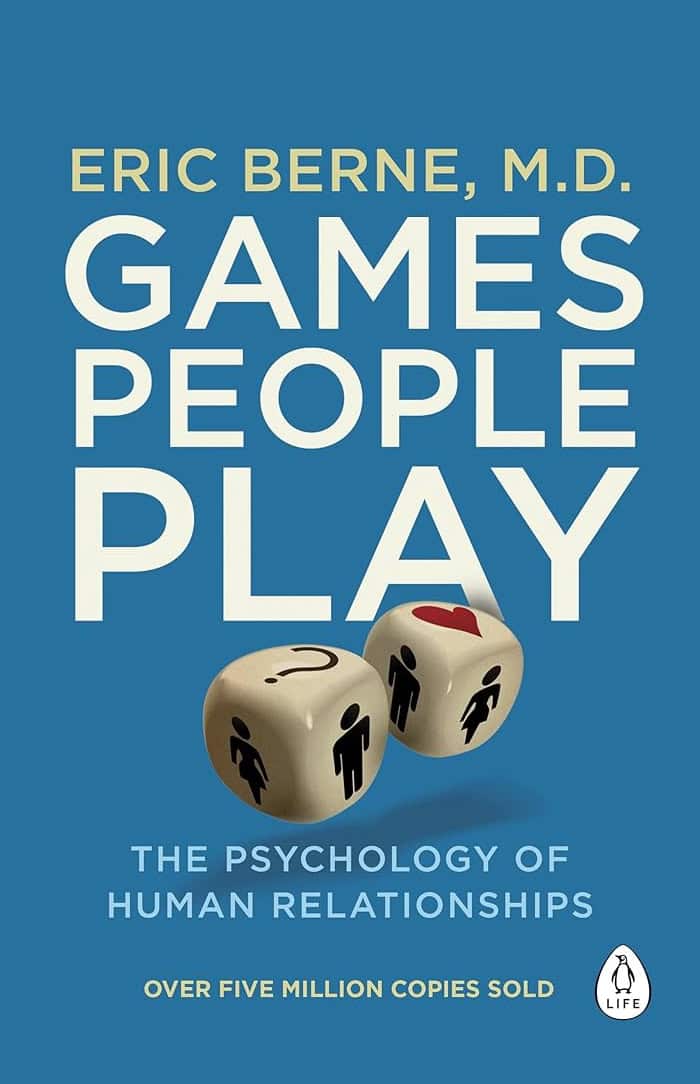
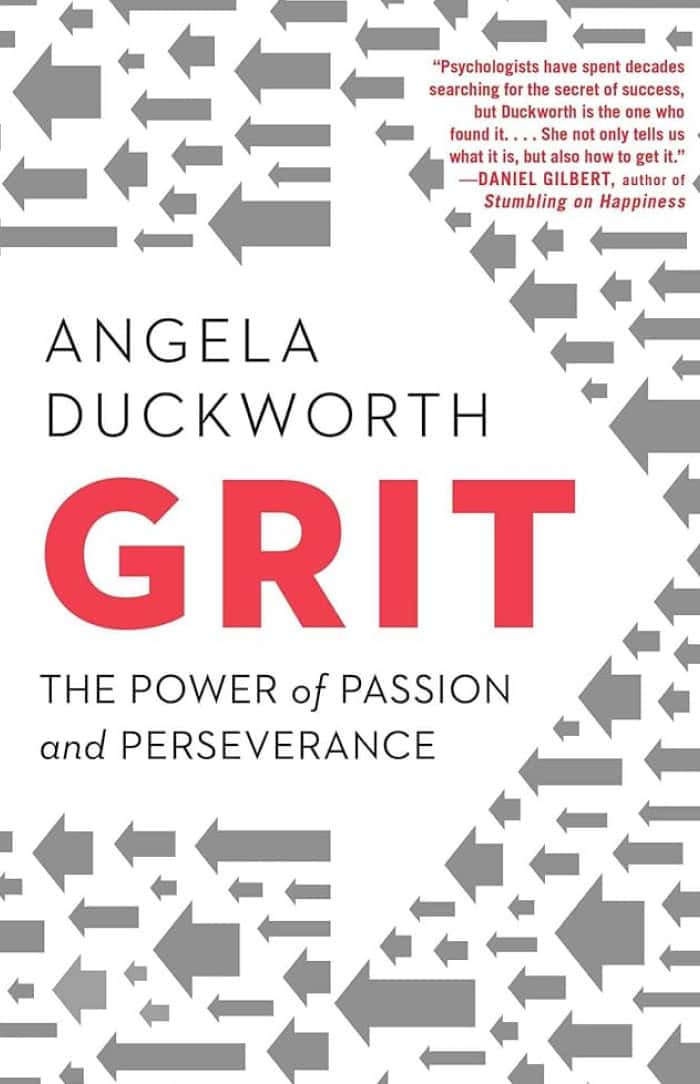
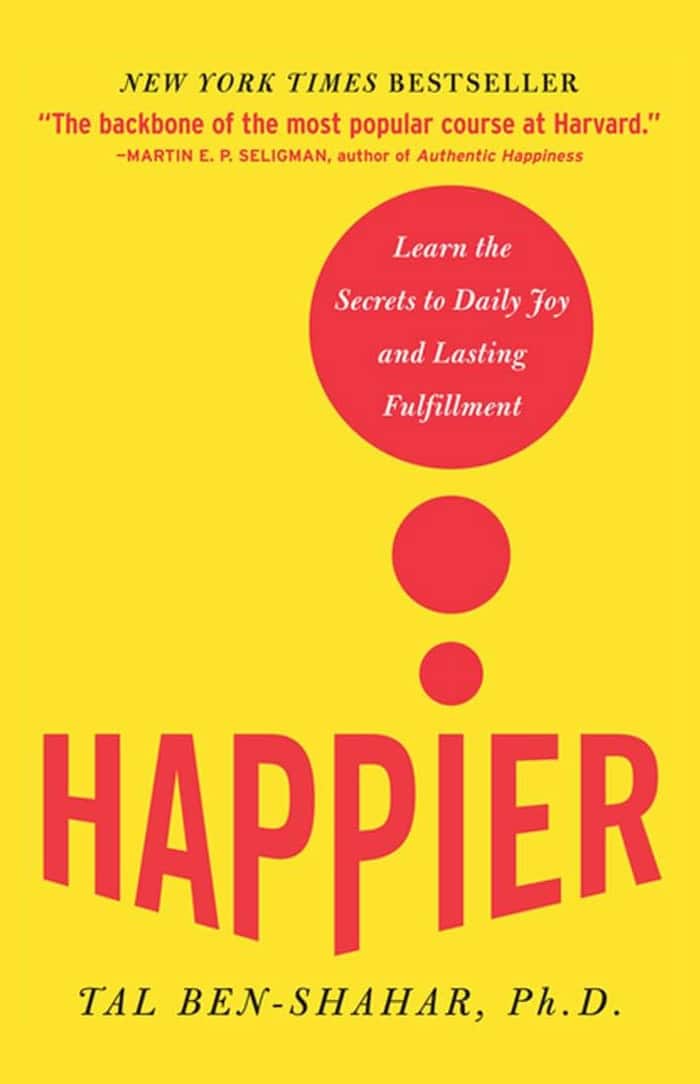
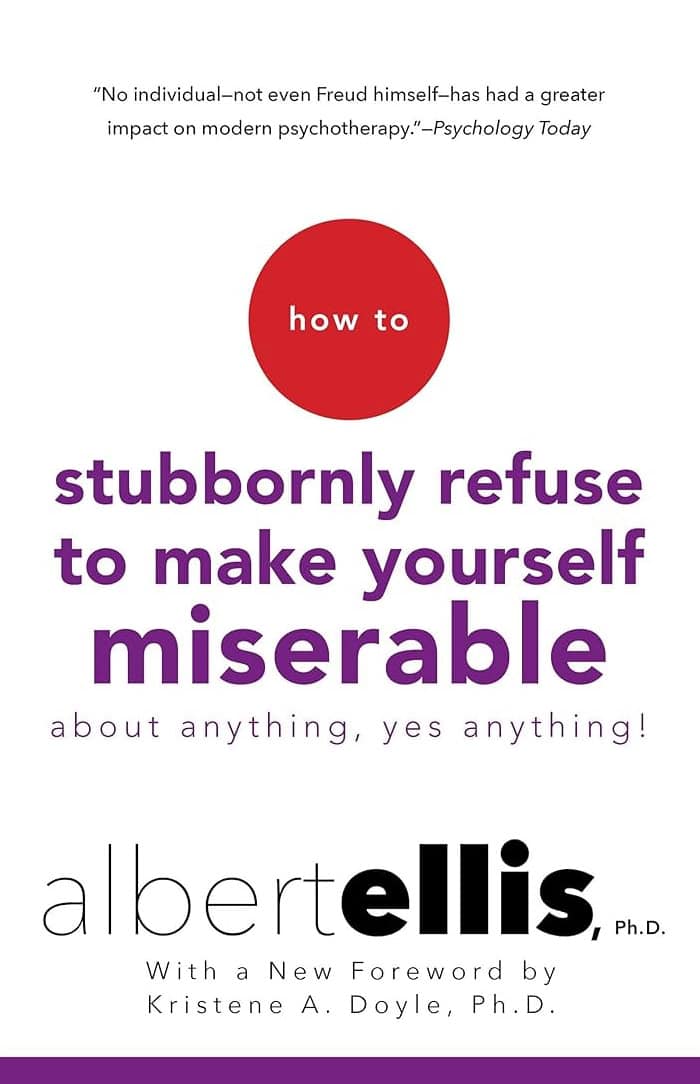
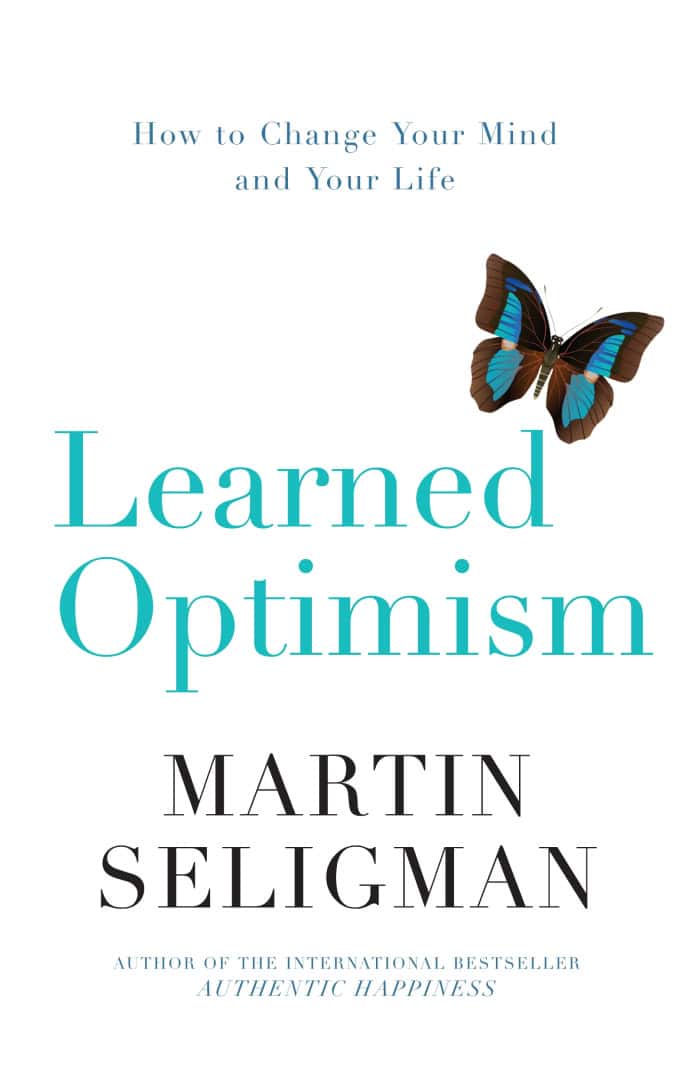
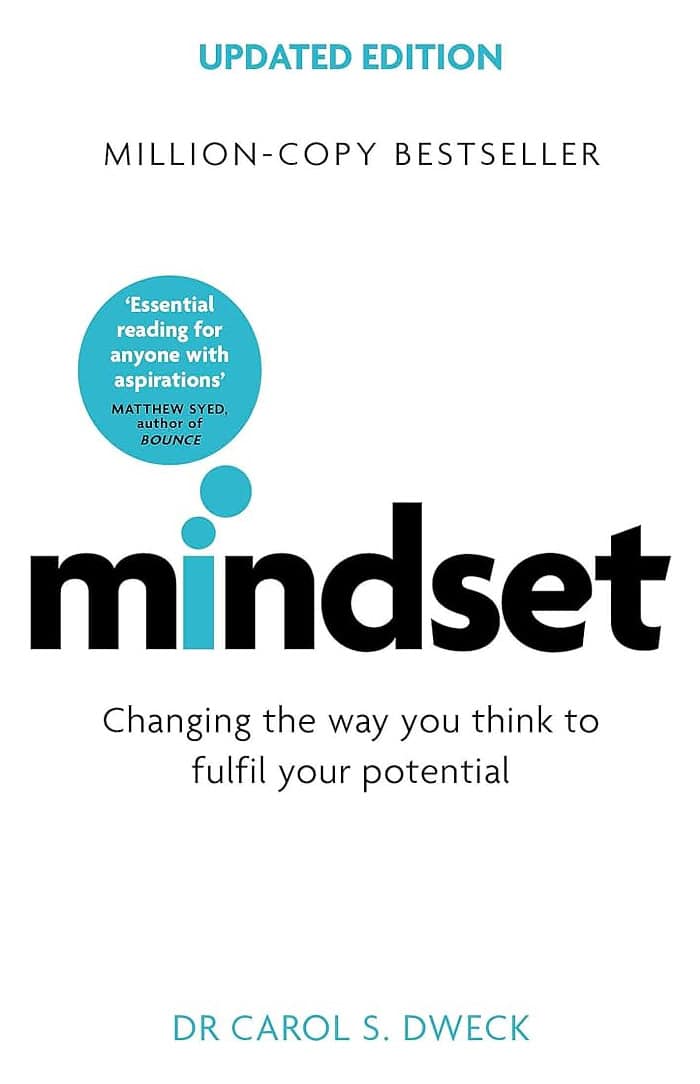
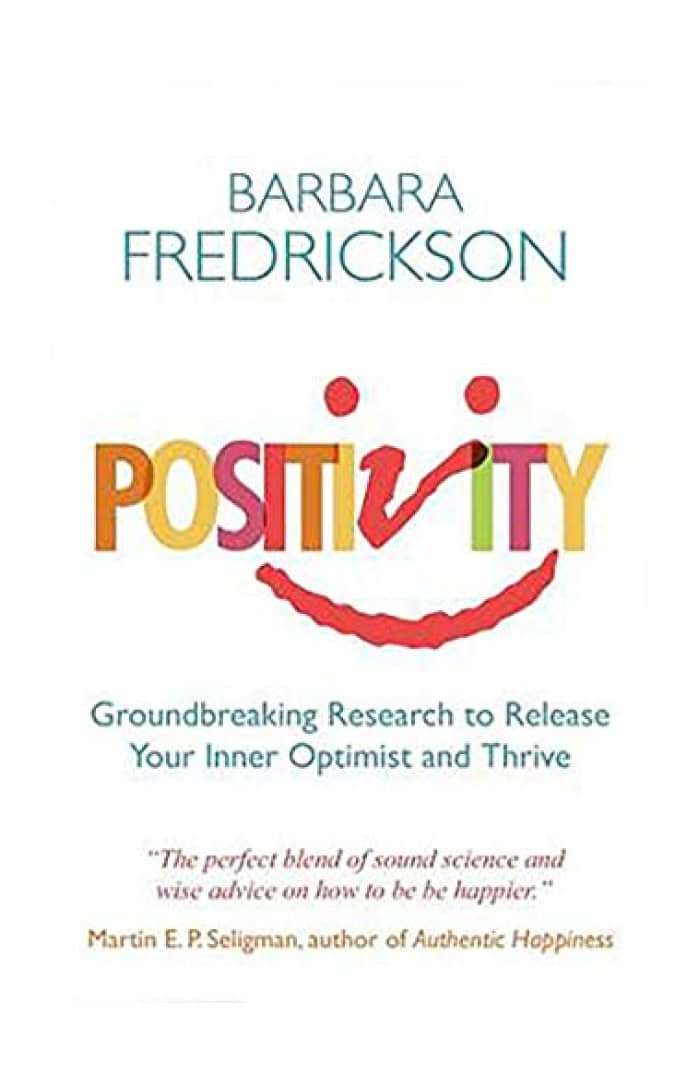
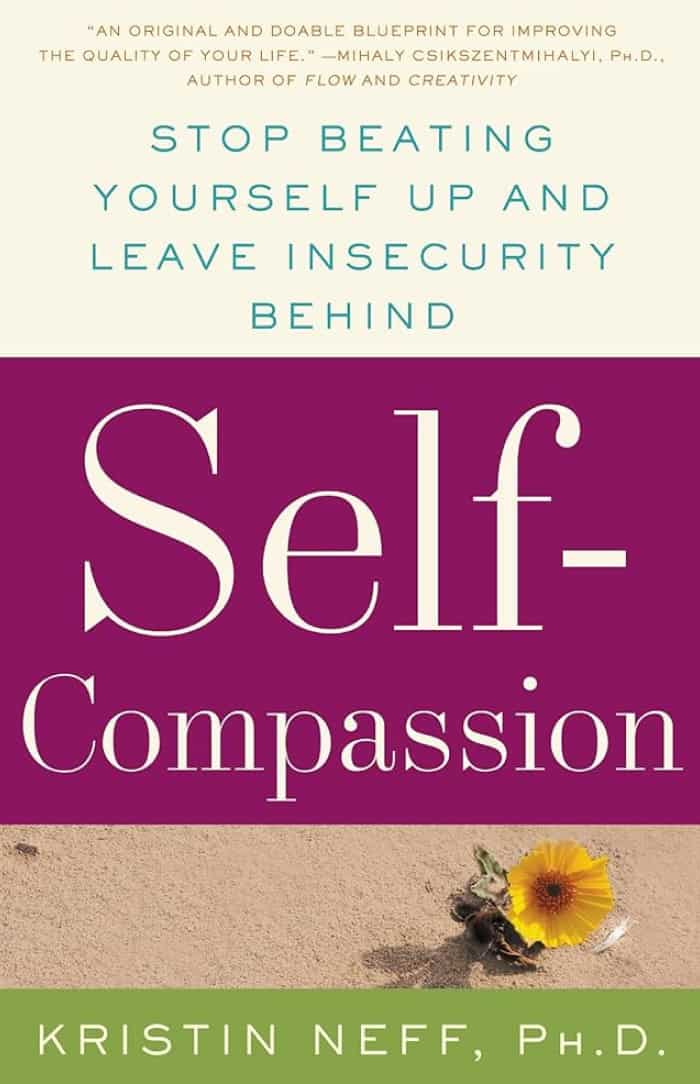
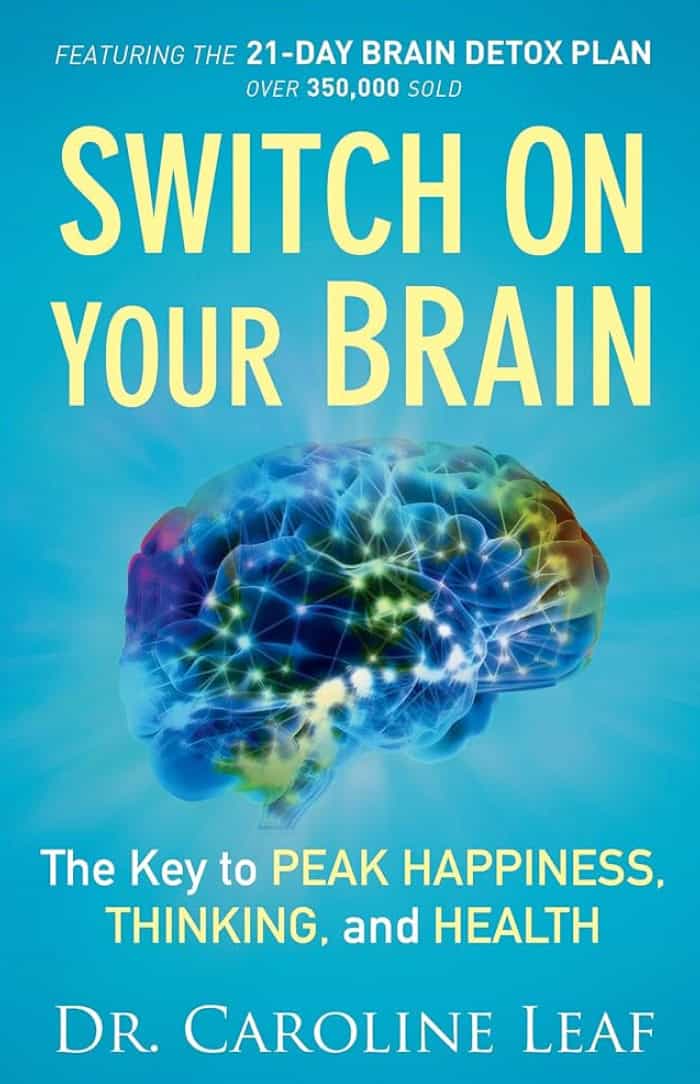
As you know, the modules on Mygrow draw on a variety of resources, studies and literature. This is a list of recommended reading should you want to further your understanding.